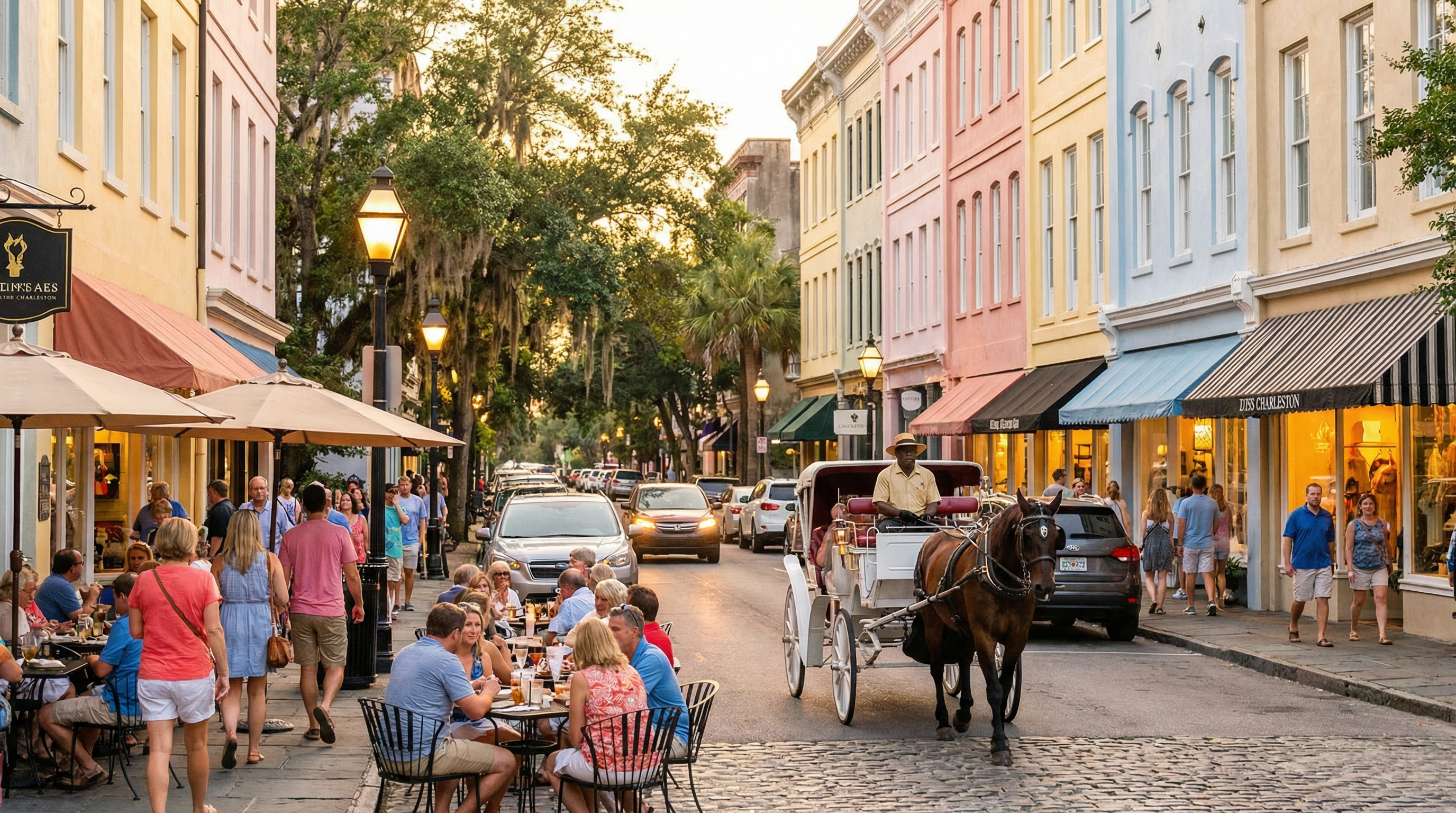

Every February, the Southeastern Wildlife Exposition takes over downtown Charleston. SEWE -- February 13 through 15, 2026 -- draws tens of thousands of visitors for one of the Southeast's premier cultural and outdoor events, featuring wildlife art, sporting demonstrations, and social gatherings that attract an affluent, lifestyle-oriented crowd from across the country. It's a celebration of the Lowcountry at its most authentic.
But here's what I want to talk about: not the event itself, but the season it sits in. January and February are Charleston's stealth buying season, and the buyers who understand that asymmetry -- less competition, motivated sellers, more negotiating leverage -- consistently get better outcomes than the spring rush buyers who show up in March.
The Stealth Buying Season Thesis
The conventional wisdom in real estate is that spring is buying season. Inventory rises, listings look their best, and families are targeting a close-before-school-starts timeline. That's all true. What's also true is that spring brings maximum competition. By March, every relocating family on a summer timeline is actively searching. Multiple-offer situations become common. Negotiating leverage shifts to sellers.
January and February are different. Inventory is thinner -- there are fewer homes to choose from. But demand is also thinner, and the ratio of buyers to available homes tilts in the buyer's favor. The homes that are listed in winter are listed for a reason: the sellers are motivated. They're not "testing the market" or "seeing what happens." They're listing in February because they need to sell, and that motivation creates opportunity.
In my experience, my clients who've found the best deals -- the ones where we negotiated $50K to $100K below ask -- they closed in January or February. The spring buyers paid full price or above. That's not a theory. That's what I've seen play out year after year in this market.
Why SEWE Weekend Matters for Real Estate
SEWE brings a specific demographic to Charleston: affluent, typically 40+, connected to outdoor and sporting culture, and often visiting from cities like Atlanta, Charlotte, Nashville, and the Northeast corridor. Many are already familiar with Charleston. Some own vacation properties on the coast. Others are in the exploratory phase of a relocation or second-home purchase.
What SEWE does for real estate isn't direct -- there's no "SEWE open house tour." It's atmospheric. It puts people in Charleston during a season when the city feels intimate rather than crowded. The winter light is different. The restaurants are less packed. The neighborhoods reveal a quieter version of themselves that some buyers prefer to the peak-season energy. For lifestyle buyers considering Daniel Island, Mount Pleasant, or the historic district, a SEWE weekend visit provides a counterpoint to the summer visit -- and buyers who've experienced both seasons make more confident decisions.
The Smart Buyer Strategy: December Through March
If you're planning to buy in Charleston in 2026, here's the strategy that maximizes your leverage:
Step 1: Pre-Approval in December
Have your financing locked and your pre-approval letter ready before the calendar turns. Lenders are less busy in December, turnaround times are faster, and you'll be positioned to move immediately when the right property appears. Sellers take January and February offers more seriously when the financing is already confirmed.
Step 2: Active Search in January and February
Start touring properties in January. Yes, inventory is smaller. But the properties that are available have less competition, and the sellers are more willing to negotiate on price, closing timeline, and concessions. In a spring market, you're competing with five other offers. In January, you might be the only one.
Step 3: Close Before March
The goal is to be under contract before the spring inventory surge brings more buyers into the market. A February close means you're settled before the competition arrives. If you're relocating with school-age children, a winter close gives you months to get established before the school year ends.
Winter Sellers Are Motivated Sellers
This is the part that doesn't get enough attention. Nobody lists their home in January or February for fun. Winter sellers are motivated by life events -- job relocations, divorces, estate settlements, financial pressures, or simply a decision that's been made and needs to be executed. That motivation translates to flexibility on price and terms that you rarely see in the spring market.
I'm not suggesting you exploit anyone's situation. I'm pointing out a structural reality: the supply-demand dynamics in winter favor buyers, and the sellers who list in winter have already accepted that trade-off. They want a deal done, and they're willing to meet a serious buyer more than halfway to get there.
Where the Winter Strategy Works Best
| Neighborhood | Winter Inventory Character | Negotiating Leverage | Best For |
|---|---|---|---|
| Daniel Island | Corporate relocations, job changes | Strong -- less competition | Families, executives |
| Carolina Park | New construction closings, trade-ups | Moderate to strong | Growing families |
| Mount Pleasant | Estate sales, downsizers | Strong on higher price points | Move-up buyers |
| West Ashley | Price-reduced carry-overs from fall | Very strong | Value-focused buyers |
| Downtown Charleston | Second-home turnover | Moderate | Lifestyle buyers, investors |
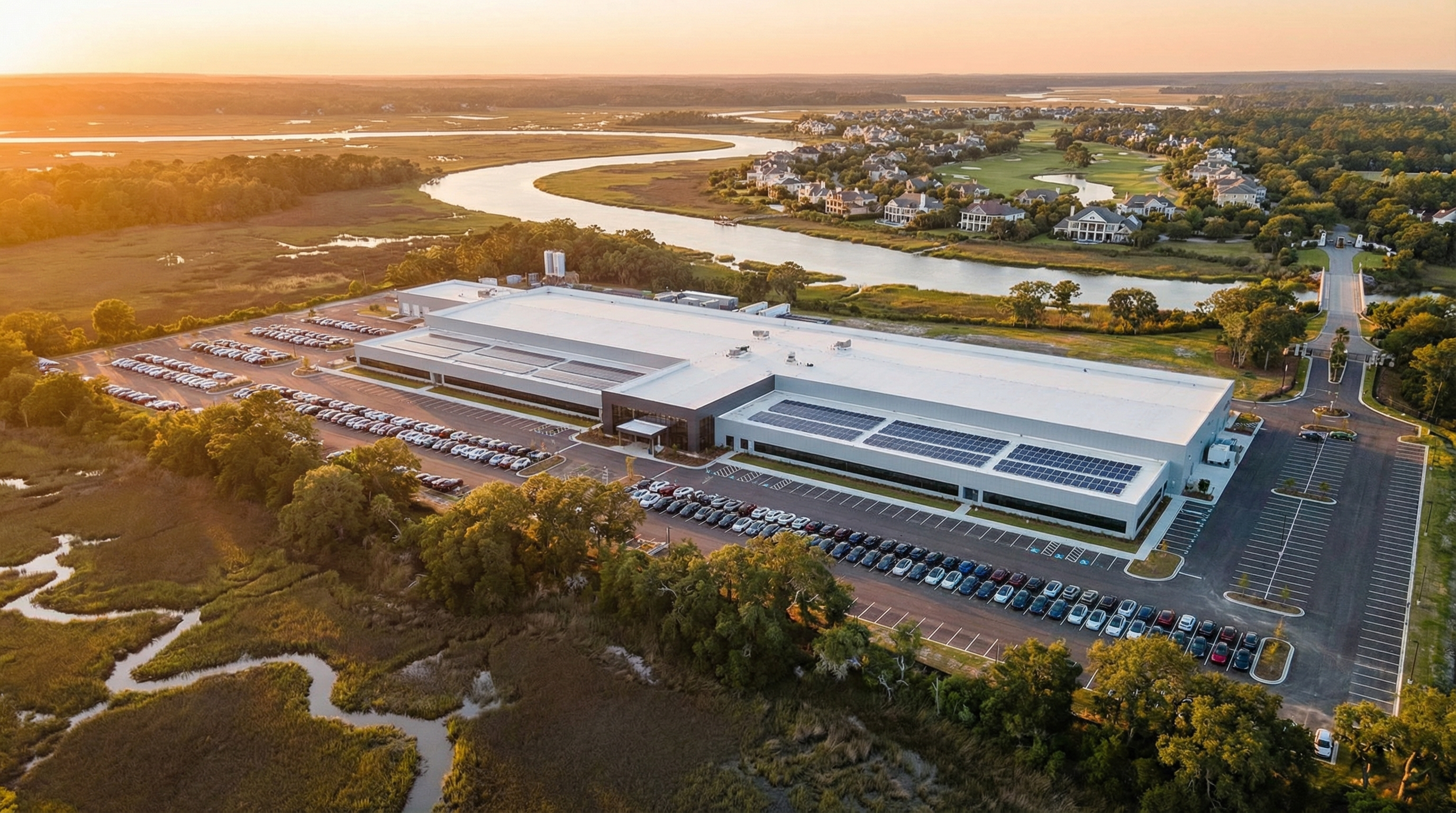
The Daniel Island market is particularly interesting in winter because corporate relocation timelines don't follow the traditional spring buying pattern. When a Boeing or Volvo executive gets a January start date, the home they're vacating hits the market in winter -- and the buyer who's ready benefits from a seller who needs to close quickly.
The Counter-Argument: Why Some Buyers Wait for Spring
I'll give you the other side. Spring inventory is larger, which means more options. Homes show better with blooming gardens and natural light. If you have very specific requirements -- a particular school district, a specific price band, a must-have feature -- waiting for the larger spring inventory may give you a better chance of finding the exact match.
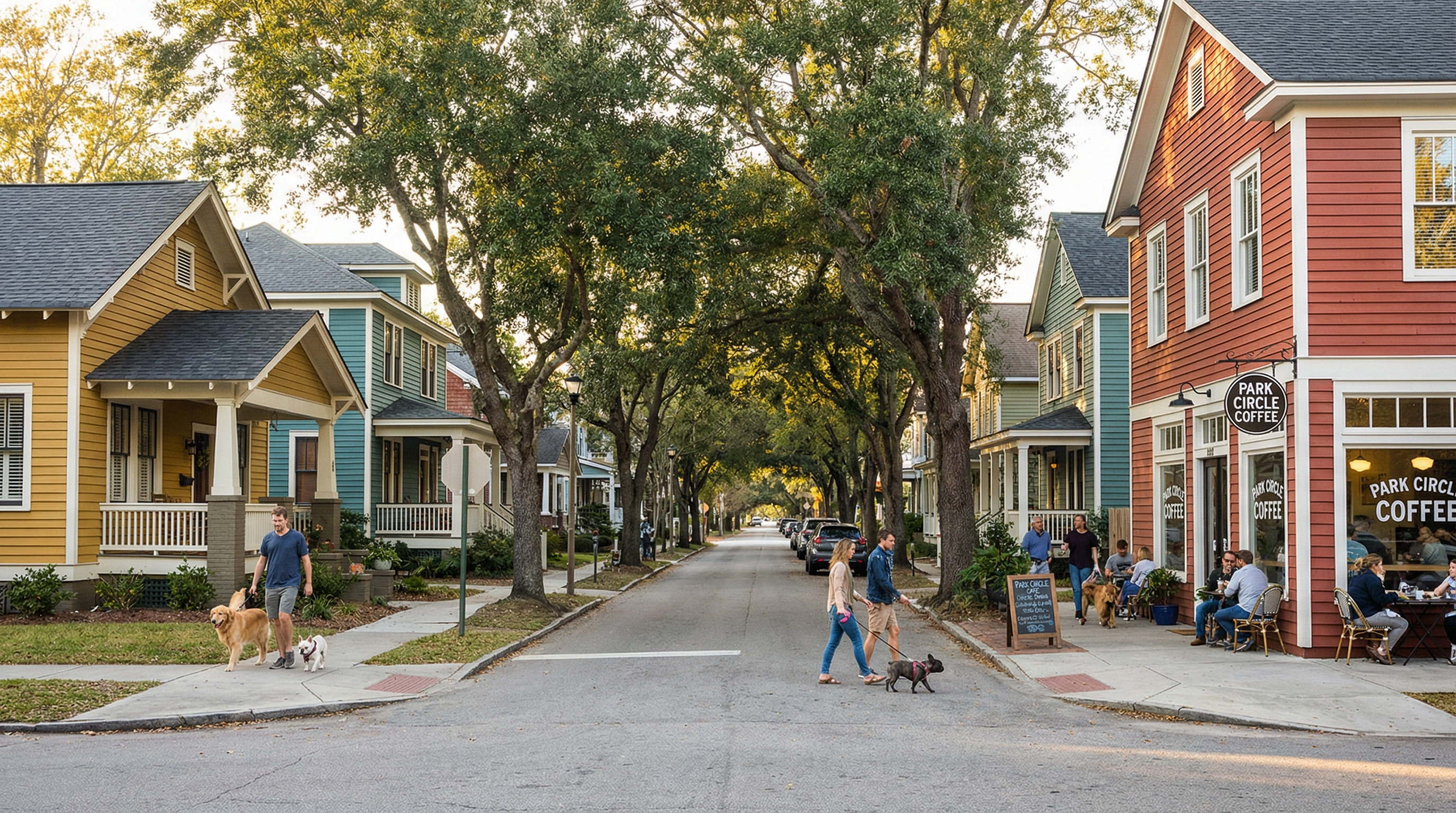
But if your requirements are flexible within a neighborhood, and your goal is to maximize negotiating leverage and minimize competition, winter is your season. The Carolina Park market is a good example: winter inventory in new-construction communities often includes builder spec homes that need to close before the fiscal year ends, creating pricing flexibility you won't see in April.
SEWE as a Starting Point
If you're visiting Charleston for SEWE this February, use the weekend as a scouting trip. Walk the neighborhoods you're considering. Drive the commute routes at rush hour. Eat at the restaurants you'd frequent as a local, not the ones on the tourist lists. And if you see a home that sparks your interest, call me. The winter market rewards preparation and speed, and the buyers who've done their homework before they arrive are the ones who close on the best terms.
The spring buyers will arrive in March with their urgency and their competing offers. By then, the smart winter buyers have already closed -- often at prices the March market won't see again. If you're ready to start your home search before the crowd arrives, that's a conversation worth having now.