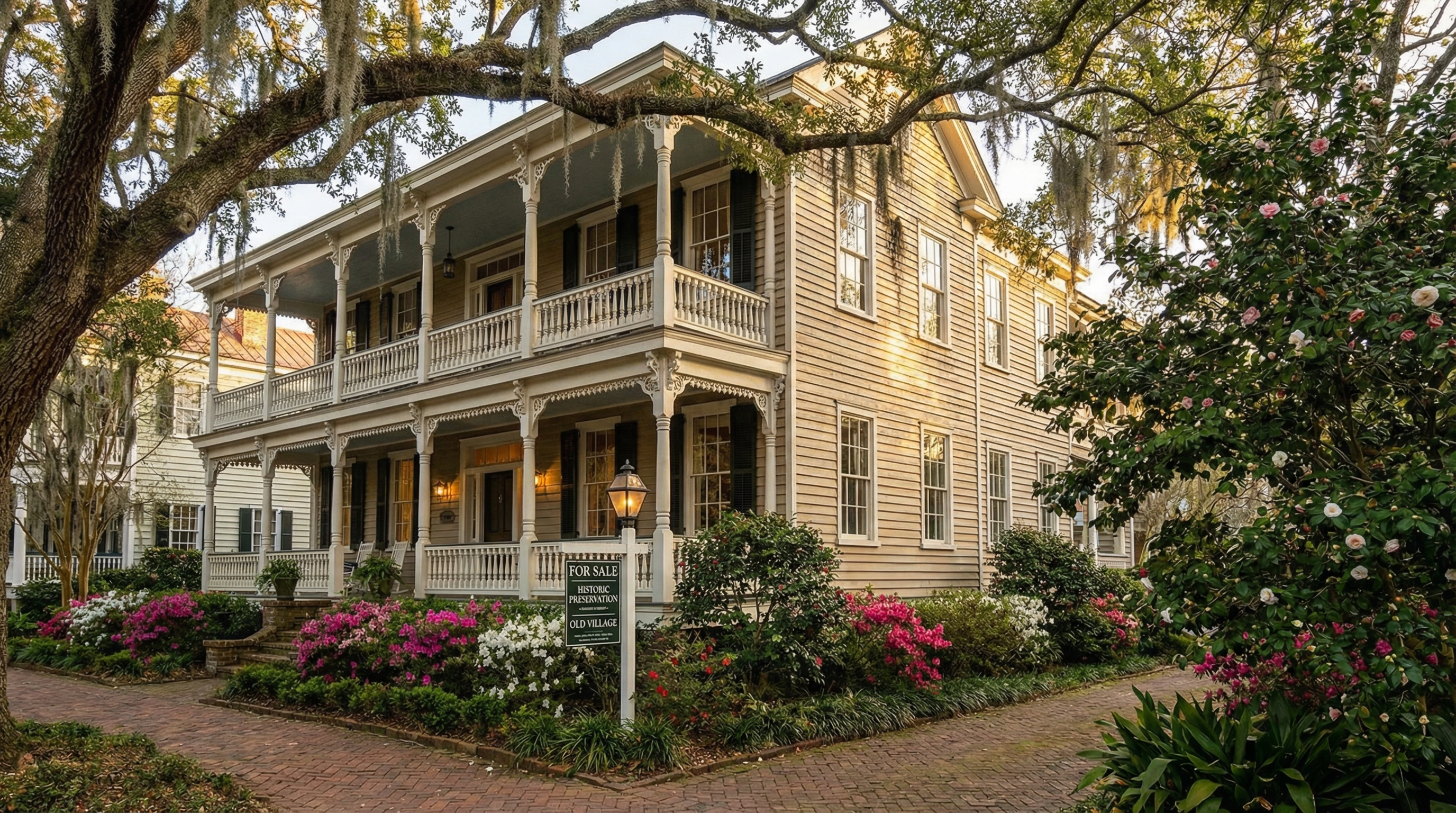
If you're looking to buy, sell, or renovate in Old Village, you need to understand the moratorium currently in effect across Mount Pleasant's historic districts. It's affecting what can be built, what can be torn down, and -- less obviously -- how the constrained supply is influencing pricing in one of Charleston's most desirable neighborhoods.
I've been fielding questions about this from buyers, sellers, and renovation-minded homeowners since the moratorium took effect. Here's the practical breakdown.
What the Mount Pleasant Moratorium Restricts
The moratorium affects development activity in Mount Pleasant's historic districts and runs through July 23, 2026. Its primary targets are demolitions and new construction permits -- the kind of activity that was reshaping the neighborhood's physical character in ways that concerned long-time residents and town officials.
Specifically, the moratorium restricts:
- Full demolitions of existing structures in the historic district
- New construction permits for replacement structures on demolished lots
- Major exterior alterations that significantly change a structure's historic character
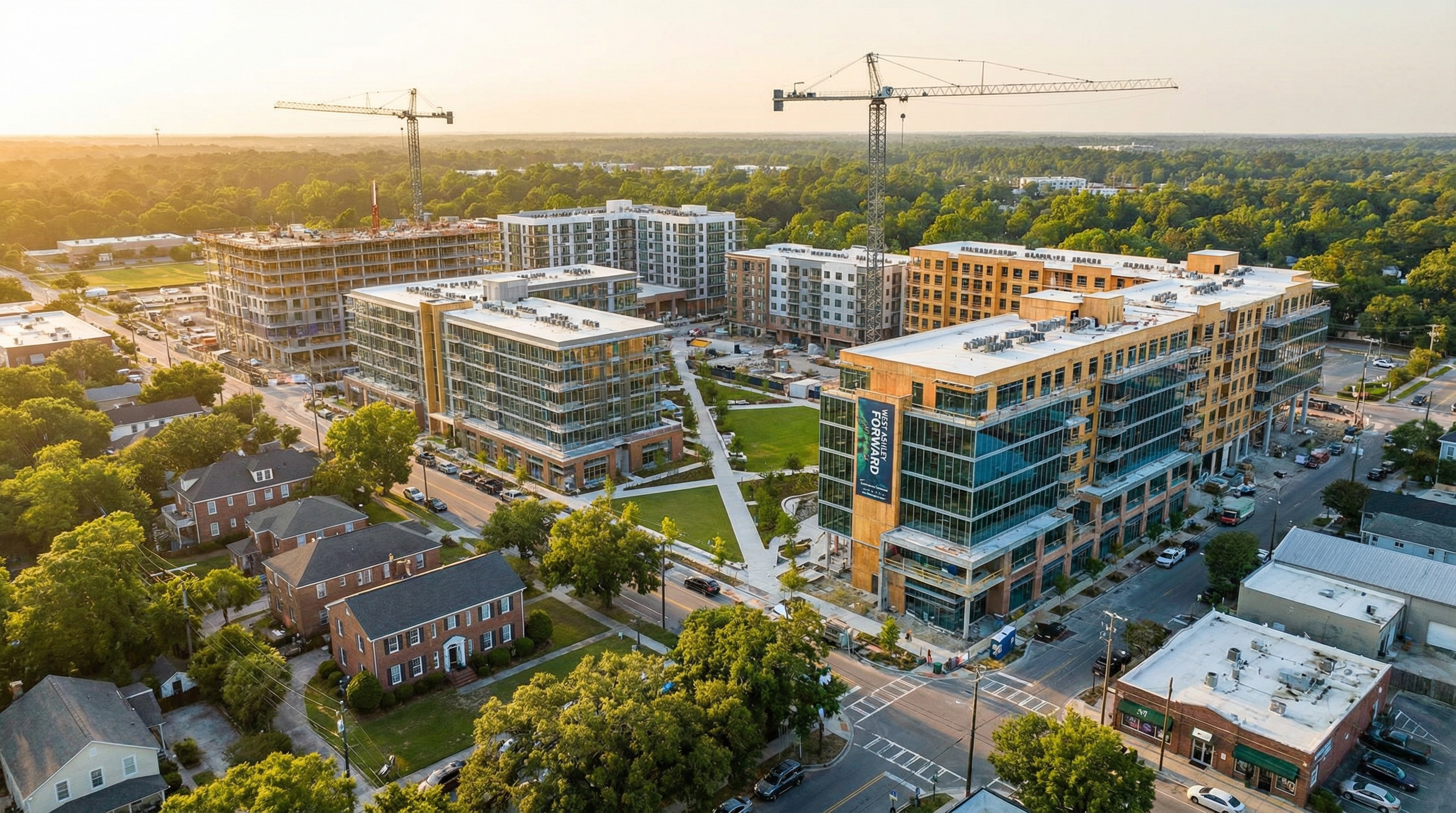
The concern driving the moratorium was straightforward: developers were purchasing older homes in Old Village, demolishing them, and replacing them with substantially larger modern homes that didn't fit the neighborhood's scale or architectural character. The tear-down-and-rebuild cycle was accelerating, and the town acted to pause it while developing permanent guidelines.
What the Moratorium Does NOT Restrict
This is the part that generates the most confusion, so I want to be clear: the moratorium does not prevent all renovation work. The following generally proceed under existing permitting rules:
- Interior renovations -- kitchen, bathroom, mechanical system upgrades
- Routine maintenance and repairs -- roof replacement, painting, siding repair
- Minor exterior modifications that don't alter the structure's historic character
- Additions that fall within existing zoning parameters and don't require demolition
If you're buying an Old Village home with plans to gut-renovate the interior, the moratorium likely doesn't affect you. If you're buying a teardown lot with plans to build new, the moratorium is directly in your path.
I support protecting Old Village's character -- it's what makes the neighborhood worth $1,150 per square foot. But the moratorium has created uncertainty, and uncertainty makes both buyers and sellers nervous. Get specific legal and zoning advice before making assumptions about what you can and can't do with a property.
How the Moratorium Affects Old Village Buyers
For buyers, the moratorium creates two practical effects:
Reduced supply of renovated homes. Some renovation projects that would have come to market are on hold because they involved exterior alterations that now require moratorium-period review or are simply paused until the rules are clarified. The result is a tighter supply of "move-in-ready" renovated historic homes -- the product type that's most in demand from relocating buyers.
Increased due diligence on renovation-opportunity purchases. If you're buying a home that needs work, you need to understand exactly what work you can do under the current rules. That means consulting with a land-use attorney and checking the project scope against the moratorium's restrictions before you make an offer. I connect my buyers with attorneys who specialize in Mount Pleasant zoning before we get deep into the process.
How the Moratorium Affects Old Village Sellers
For sellers, the moratorium has created an interesting dynamic: scarcity. If you own a well-maintained or recently renovated home in Old Village, the moratorium has temporarily constrained the supply of comparable product. Fewer teardown-rebuilds coming to market means fewer newly renovated homes competing with yours.
This scarcity is supporting pricing. I'm seeing per-square-foot numbers hold firm in Old Village despite some softening in the broader Mount Pleasant market. That's the moratorium effect -- limited supply in a neighborhood with persistent demand.
However, if you own an unrenovated home and you're thinking about selling to a developer who would tear down and rebuild, your buyer pool has narrowed. The developers who were actively acquiring teardown candidates in Old Village have largely stepped back until the moratorium expires and the new rules are established.
How to Verify What's Allowed: Mount Pleasant's OPAL System
Mount Pleasant uses the OPAL permitting system for project tracking and permit applications. If you're planning any work on an Old Village property, OPAL is where you'll submit applications and track review status. I recommend pulling the permit history on any property you're considering -- it tells you what work has been done, what's been approved, and what's currently in review.
For renovation-focused buyers, I also recommend engaging with the town's planning department early in the process. A pre-application meeting can clarify what's feasible under the moratorium before you invest time and money in architectural plans.
What Happens After July 2026
The moratorium was always intended as a pause, not a permanent ban. When it expires in July 2026, Mount Pleasant will likely implement new design guidelines for the historic district. These may include:
- A historic district commission with review authority over exterior alterations
- Design standards governing scale, setbacks, materials, and architectural compatibility
- Stricter demolition criteria -- potentially requiring a waiting period or community review before a historic structure can be demolished
The specific rules haven't been finalized, and that's the source of the uncertainty. Buyers and sellers are operating in a gap between the old rules (which allowed aggressive teardowns) and the new rules (which haven't been written yet). My advice: plan conservatively and get professional guidance specific to your property.
The Bigger Picture: Why Old Village Is Worth Protecting
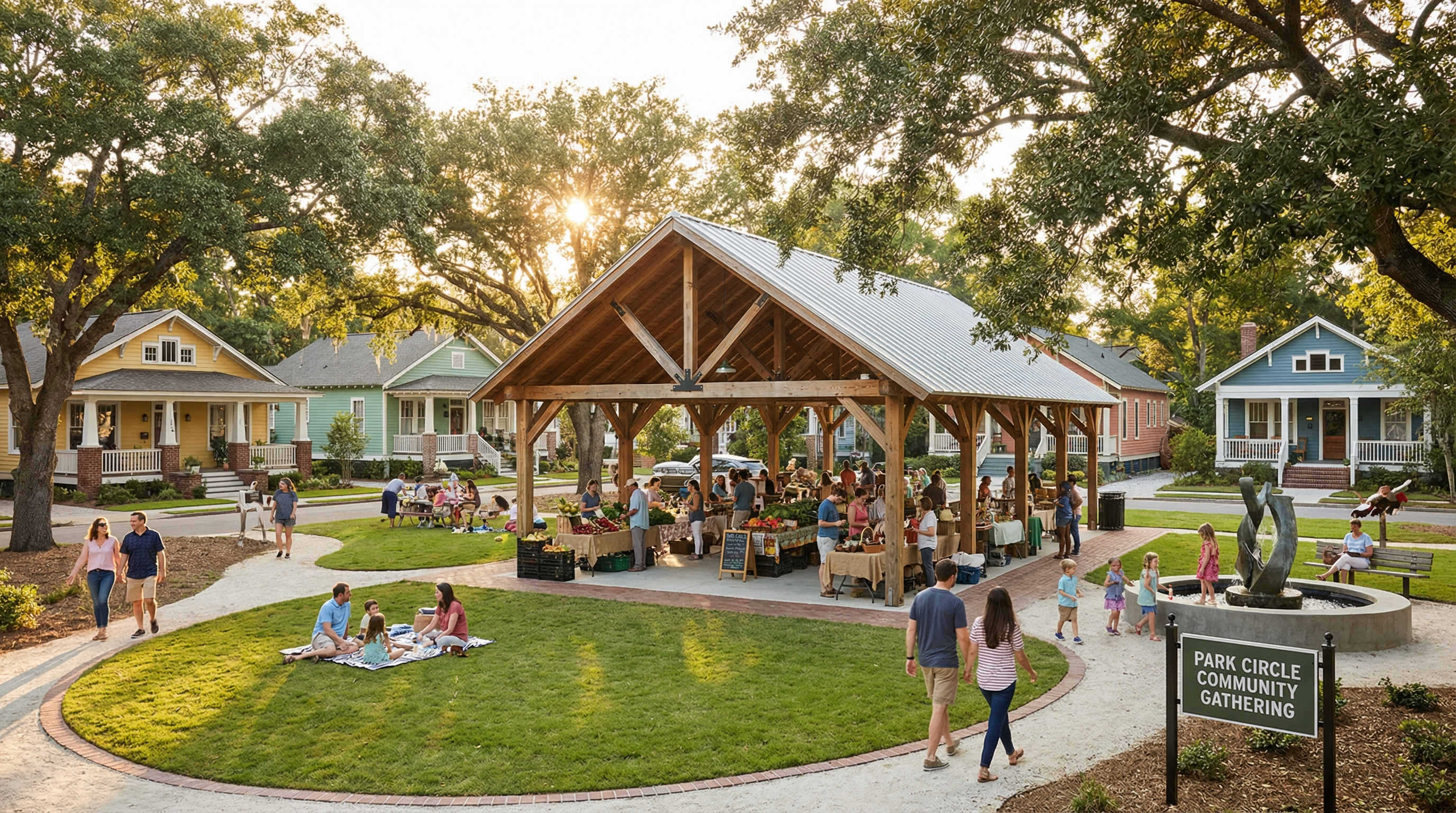
I've been selling real estate in the Charleston area for over 20 years, and I've watched neighborhoods lose their character to unchecked redevelopment. Old Village's $1,150 per square foot pricing exists because the neighborhood has character -- the live oaks, the historic homes, the narrow streets, the walkability that makes it feel like a village rather than a subdivision. If you replace every 1920s cottage with a 4,500 square foot modern home, you destroy the thing that created the value in the first place.
The moratorium is an imperfect tool -- it creates short-term uncertainty and frustrates property owners who have legitimate renovation plans. But the intent is sound. Old Village's physical character is a finite resource, and once it's gone, it doesn't come back.
For current market data on Old Village, see my Old Village Market Report. For the tax implications of owning in a historic district, my Charleston property tax guide covers the specifics. And if you're navigating a purchase or renovation in Old Village during the moratorium period, talk to me before you make assumptions -- the details matter enormously right now, and I want to make sure you have them.