
I moved to the Lowcountry from the Northeast, so I understand the process of uprooting your life and replanting it somewhere new -- the excitement, the anxiety, and the very specific moment when you realize the cost of living isn't as simple as comparing home prices on Zillow. Charleston's total cost of homeownership has layers that don't exist in most other markets, and if you don't understand them before you buy, you'll understand them the hard way when your first full year of bills arrives. I've been through this myself, and I've guided hundreds of clients through it since. Let me give you the real numbers.
The 4% vs 6% Assessment: Where the Math Diverges
This is the single most impactful financial variable for out-of-state buyers, and I cover it in depth in my property tax guide. But here's the summary that matters for your relocation planning.
South Carolina taxes your primary residence at a 4% assessment ratio and everything else -- second homes, vacation homes, investment properties -- at 6%. That 50% increase in the assessment ratio translates directly to a 50% increase in your property tax bill.
Let me show you what this looks like on a $1.5 million home, which is a common price point for the Mount Pleasant and Daniel Island buyers I work with:
| Cost Component | Primary Residence | Second Home |
|---|---|---|
| Assessed Value | $60,000 (4%) | $90,000 (6%) |
| Est. Annual Property Tax | ~$16,200 | ~$24,300 |
| Flood Insurance (Zone AE) | $3,000 - $6,000 | $3,000 - $6,000 |
| Wind/Hail Insurance | $2,000 - $5,000 | $2,000 - $5,000 |
| Homeowners Insurance | $3,000 - $5,000 | $3,500 - $6,000 |
| Annual Carrying Cost Range | $24,200 - $32,200 | $32,800 - $41,300 |
The second home scenario adds roughly $8,000 to $9,000 per year in carrying costs, mostly from the property tax difference. Over ten years, that's $80,000 to $90,000 -- real money that doesn't build equity or improve the property.
When clients tell me they're considering keeping their current home up North and buying in Charleston as a second home, the first thing I do is run this comparison. Sometimes it makes sense. Often, the math argues strongly for making Charleston your primary residence sooner rather than later.
Wind and Hail Insurance: The Cost Nobody Googles
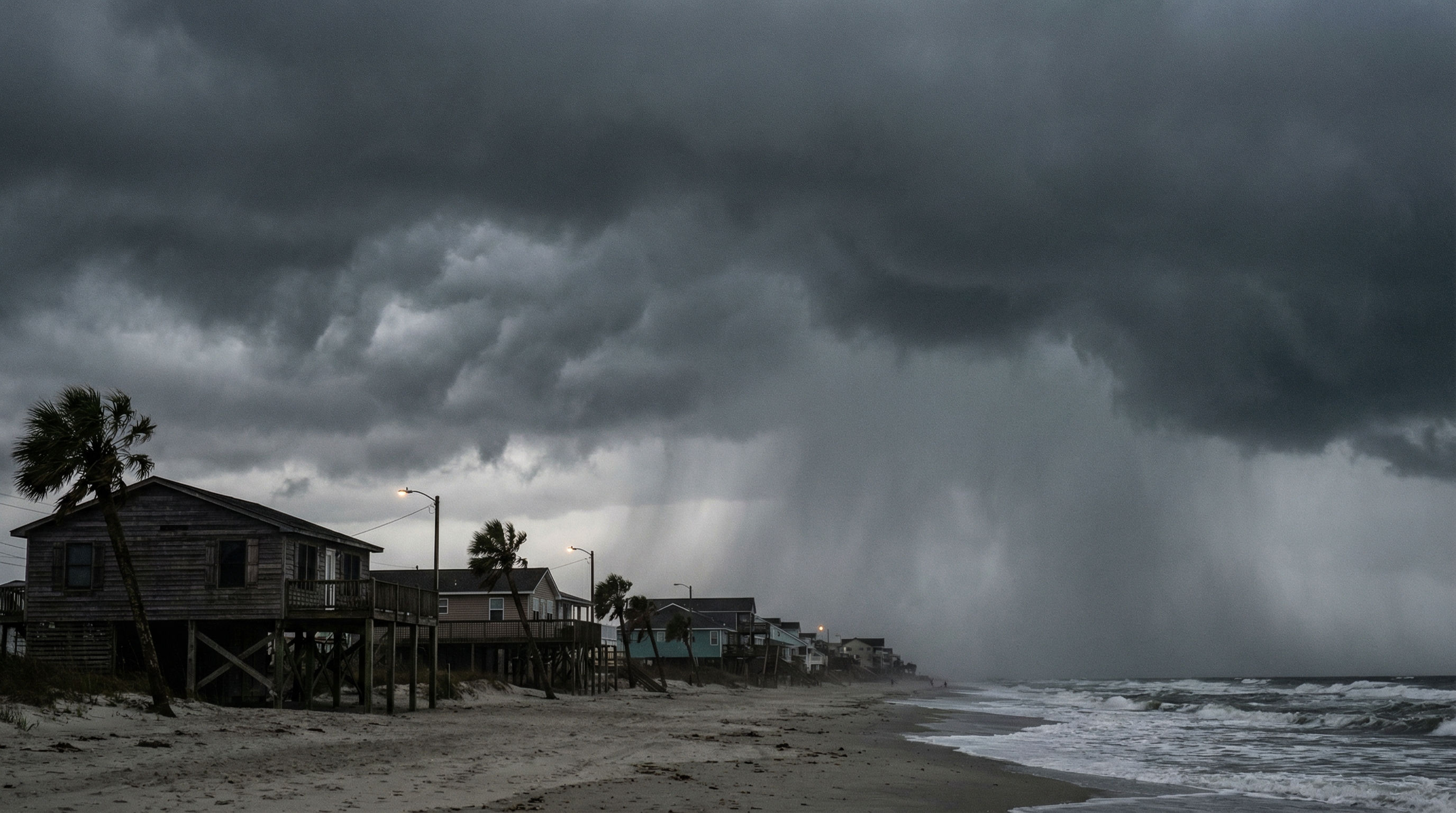
Here's a cost that catches almost every out-of-state buyer off guard: in coastal South Carolina, wind and hail damage is typically excluded from your standard homeowners policy. You need a separate wind/hail policy, either through a private carrier or the SC Wind and Hail Underwriting Association.
For a $1.5 million home near the coast, budget $2,000 to $5,000 per year for wind/hail coverage, depending on the construction type, age, and distance from the coast. Homes on Isle of Palms will be at the higher end. Homes in Hamlin Plantation or inland Mount Pleasant will be lower but still not trivial.
Combined with flood insurance and standard homeowners coverage, your total insurance bill on a coastal Charleston home can easily reach $8,000 to $15,000 per year. I cover flood insurance specifics in detail here.
HOA and POA Dues: They Vary More Than You Think
Many of the most desirable neighborhoods in the Charleston area are planned communities with homeowners associations or property owners associations. The dues vary significantly:
- Hamlin Plantation (Mount Pleasant) -- gated community with pool, tennis, walking trails. Dues are moderate for what you get.
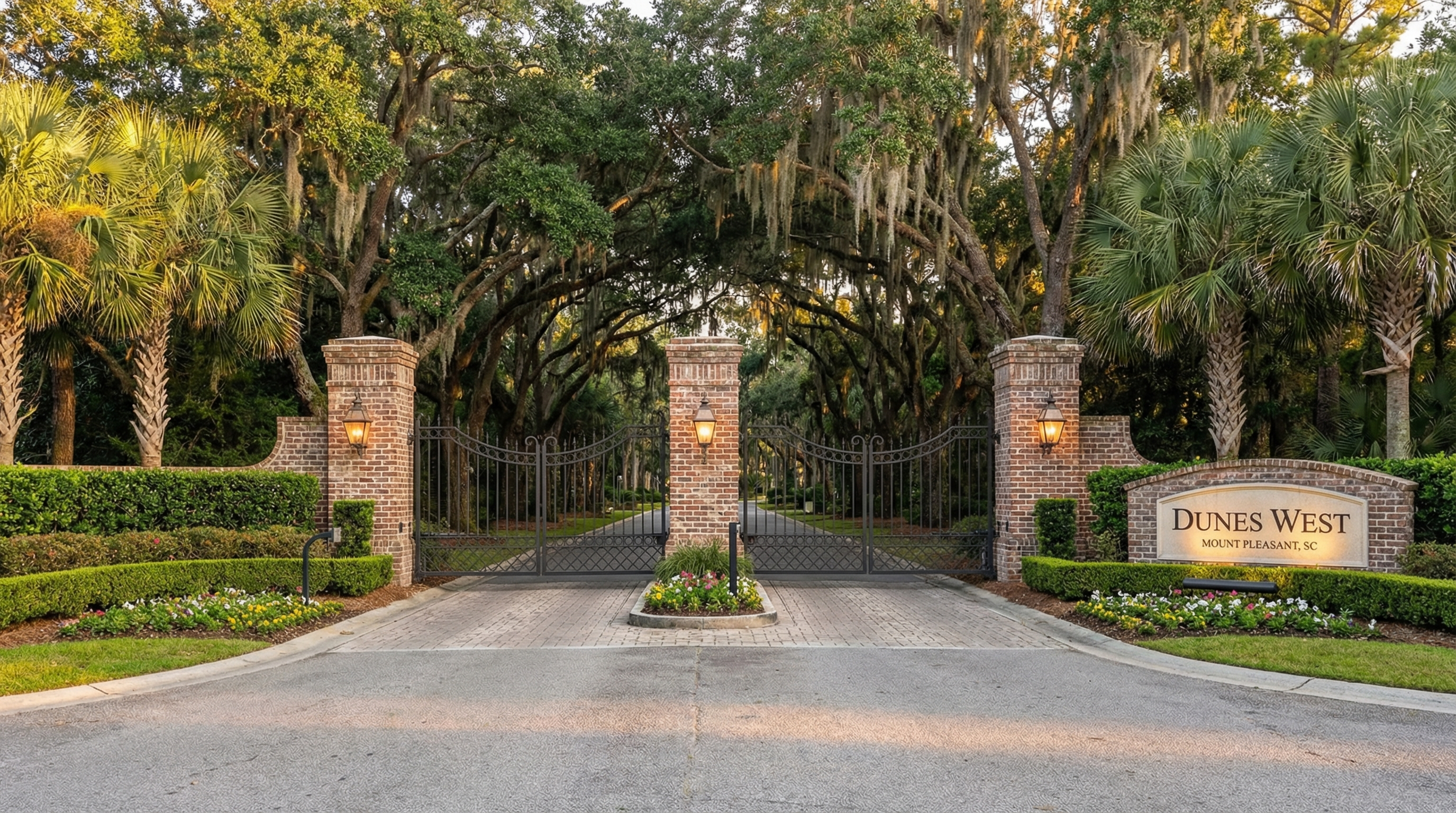
- Dunes West (Mount Pleasant) -- inside the gate, annual POA assessments run around $2,020. There's also an optional golf club membership.
- Daniel Island -- the Community Association manages common areas, parks, and amenities. Dues vary by sub-association within Daniel Island.
- Wild Dunes (Isle of Palms) -- resort-style community with higher dues reflecting the resort amenities and maintenance.
Always ask for the actual HOA/POA financial statements during due diligence -- not just the current dues, but the reserve fund status. An underfunded reserve means special assessments in your future. I've seen buyers choose a neighborhood based on purchase price only to be hit with a $5,000 special assessment within the first year. I wrote about one neighborhood's recent assessment situation in my Dunes West HOA assessment guide.
South Carolina Tax Advantages Worth Knowing
It's not all additional costs. South Carolina offers some genuine tax advantages, particularly for retirees:
- No state tax on Social Security income -- South Carolina fully exempts Social Security benefits from state income tax. For retirees relocating from states that tax Social Security, this is a meaningful annual savings.
- Homestead exemption for 65+ -- the first $50,000 of fair market value on your primary residence is exempt from property taxes if you're 65 or older, disabled, or blind.
- SC income tax rates are declining -- the state has been actively reducing its income tax rates through recent legislative changes. The top marginal rate has been 6.5% but is being phased down.
- No state estate tax -- South Carolina does not impose a separate state estate tax.
For buyers coming from New York, New Jersey, or Connecticut -- which describes a significant portion of my relocation clients -- the combined tax savings from no Social Security tax, lower property taxes (even with the insurance additions), and no state estate tax often makes a compelling financial case.
Where Relocating Buyers Are Coming From
In my practice, the migration patterns are consistent. The largest groups of buyers relocating to the Charleston area come from:
- The Northeast -- New York, New Jersey, Connecticut, Massachusetts. Driven by taxes, weather, and remote work flexibility.
- The Midwest -- Ohio, Illinois, Michigan. Often retirees or pre-retirees seeking coastal lifestyle without Florida prices.
- Florida -- this surprises some people, but I see buyers who want a genuine four-season experience (Charleston has mild winters, not nonexistent ones) and prefer Charleston's walkable, historic character to Florida's newer developments.
Having lived in the Northeast myself, and having spent time in Europe, Canada, and Asia before settling in Mount Pleasant, I understand what it means to evaluate a place not just as a visitor but as someone who's going to build a life there. Charleston passes that test -- but you have to go in with your eyes open on costs.
The Lifestyle Costs That Don't Show Up on a Spreadsheet
Beyond the hard numbers, there are lifestyle costs -- some pleasant, some less so -- that relocating buyers should factor in:
- Dining and entertainment -- Charleston is a nationally recognized food city. If you enjoy eating out, budget accordingly. A nice dinner for two downtown runs $150 to $250.
- Boat ownership -- many buyers move to the Lowcountry with plans to buy a boat. Between marina slips, maintenance, fuel, and insurance, budget $5,000 to $15,000 per year for a modest setup.
- Golf -- private club memberships at places like the Daniel Island Club, Dunes West Golf Club, or Rivertowne run from initiation fees of $10,000 to $75,000+ with monthly dues on top.
- Travel -- Charleston International Airport has expanded significantly, but direct flights are still limited compared to major hubs. If you travel frequently for business, factor in connection times.
Start With the Full Picture
The buyers who have the smoothest transitions to Charleston life are the ones who understand the total cost of ownership before they write their first offer. That means taxes, insurance (all three policies), HOA dues, and the lifestyle costs that make this place worth living in.
If you're planning a move to the Charleston area and want to see how the numbers work for specific neighborhoods, start browsing properties here or contact me directly. I'll run the full cost analysis for any property you're considering -- because the purchase price is just the beginning of the conversation.