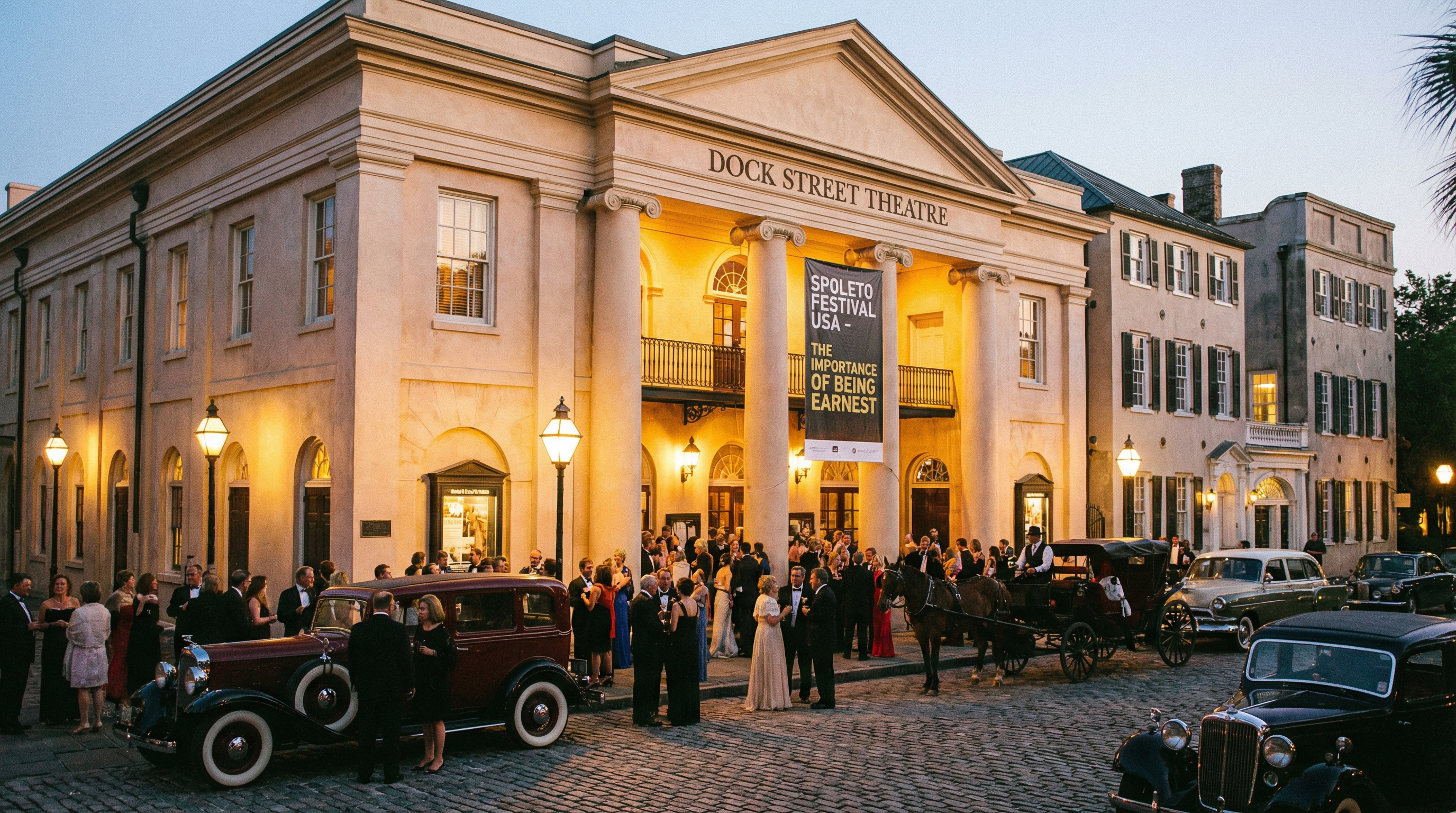
Every spring, for 17 days, Charleston becomes one of the premier performing arts destinations in North America. Spoleto Festival USA runs May 22 through June 7 in 2026, filling historic venues across the peninsula with opera, chamber music, theater, dance, and orchestral performances. It's been happening since 1977, and it draws audiences from across the country and around the world.
But here's the thing nobody in real estate marketing talks about: Spoleto is the single most effective relocation trigger in the Charleston market. Not because anyone plans it that way. Because the festival does something that no listing photo, virtual tour, or neighborhood guide can do -- it gives people an extended, immersive experience of daily life in Charleston during its most beautiful season.
The Extended-Visit Effect
Most tourists experience Charleston in a three-day weekend. They stay downtown, they eat at Husk, they walk the Battery, they leave. They know they like Charleston, but they don't know what it's like to live here.
Spoleto visitors are different. The festival runs 17 days, so serious attendees often rent a house or an apartment for two to three weeks. During that time, they're not tourists anymore. They're figuring out where to get groceries. They're finding a morning coffee routine. They're walking real streets in real neighborhoods at real times of day. They're experiencing Charleston's daily rhythm -- the heat, the pace, the way people interact, the accessibility of everything.
That extended exposure is what converts a vacation into a relocation conversation. I can tell you from two decades of experience that more of my clients have traced their initial interest in Charleston to an extended visit than to any other single factor. And Spoleto creates the conditions for that extended visit more consistently than anything else on the calendar.
Who the Spoleto Buyer Is
The Spoleto-to-relocation pipeline produces a specific buyer profile, and understanding it helps explain where these buyers tend to land:
Northeast and California affluent couples -- typically empty-nesters or pre-retirees -- who are accustomed to cultural richness. They didn't think a Southern city could match their expectations for performing arts, fine dining, and intellectual community. Spoleto shows them otherwise.
Values they prioritize: walkability, architectural character, proximity to cultural venues, quality restaurants within a 15-minute radius, and a community of people who care about the same things they do. Price is rarely the primary constraint -- lifestyle fit is.
What surprises them: the combination. New York has culture but no beach. Santa Barbara has the beach but limited performing arts. Charleston has culture, beach, food, history, and a city small enough that you can know your neighbors. That combination is rare, and once people experience it for 17 days, it's hard to go home.
Where Spoleto Visitors Buy in Charleston
Based on my experience with clients who first visited during Spoleto, the buying patterns concentrate in three areas:
Downtown Charleston -- The walkable-to-venues buyer. They want to be on the peninsula, walking distance to Dock Street Theatre, the College of Charleston Cistern, and Memminger Auditorium. These buyers are purchasing the full urban Charleston experience: historic architecture, King Street dining, and a cultural calendar that extends well beyond Spoleto.
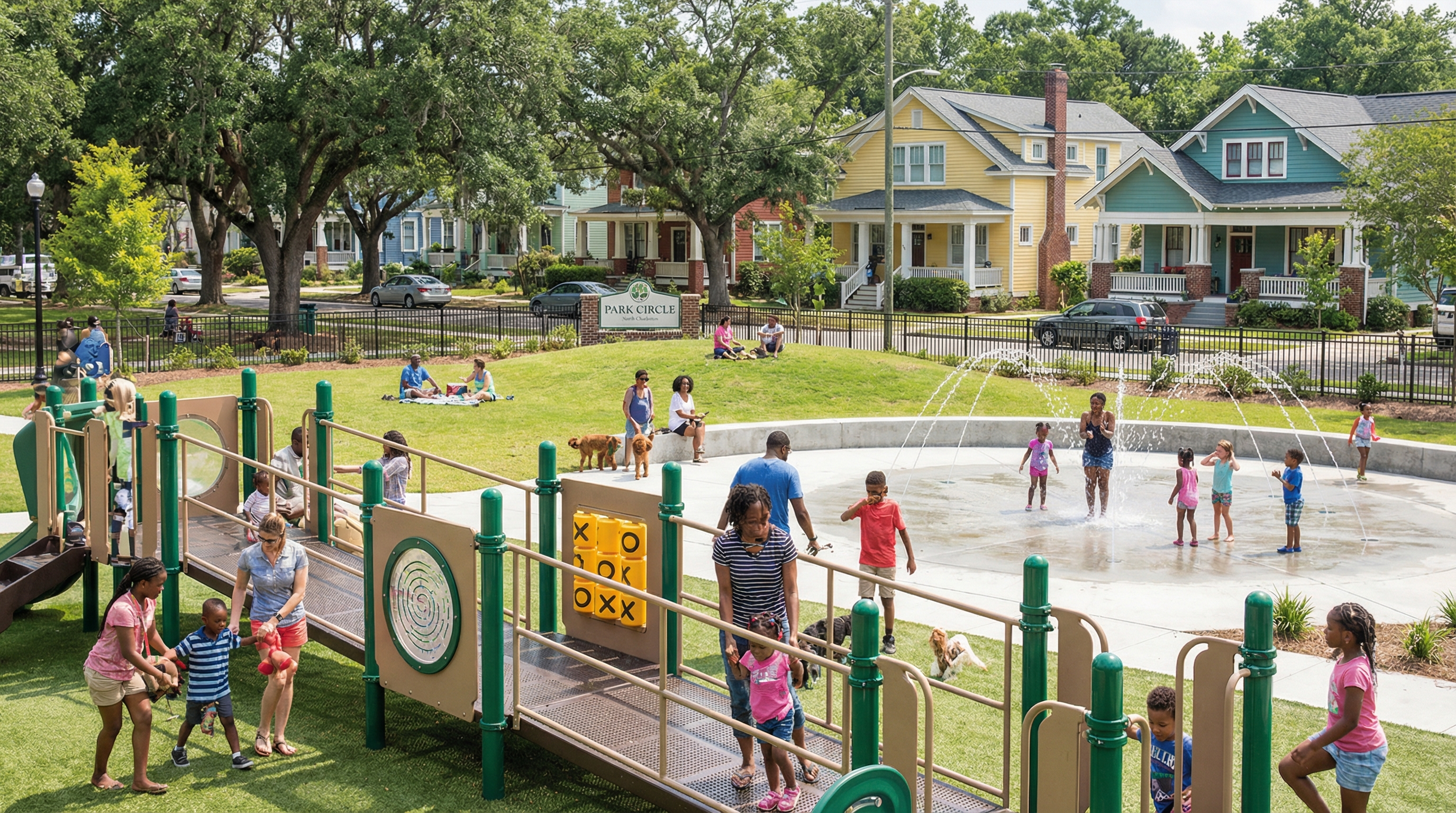
Old Village -- The charm-plus-proximity buyer. They fell in love with the neighborhood's historic character during a day trip from their downtown rental. Old Village offers the walkable village feel they want with a 15-minute drive to downtown for performances and dining.
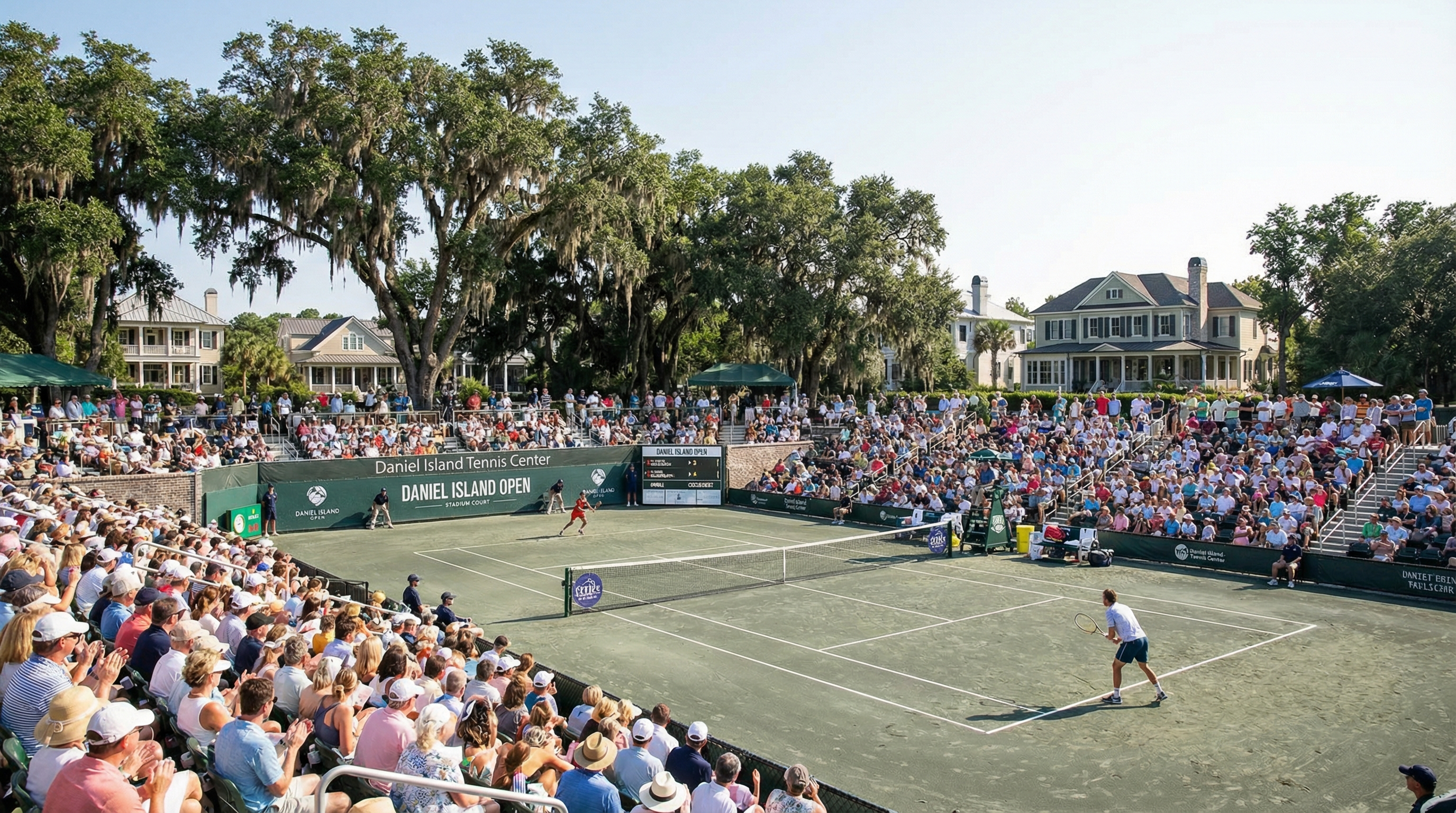
Daniel Island -- The family-friendly-plus-access buyer. Often slightly younger than the downtown buyer, with school-age children or grandchildren visiting regularly. Daniel Island's community infrastructure, club amenities, and proximity to both downtown and the beaches make it the practical choice for families who want the whole Charleston package.
A Chamber Concert in a 200-Year-Old Church
My favorite client story involves a couple from Connecticut who came to Spoleto on a whim. They saw a chamber concert in a 200-year-old church, had dinner on King Street, and called me the next morning. We closed on a home in Old Village three months later. They said, "We didn't know a place like this existed." That's the Spoleto effect -- it introduces people to a version of Charleston they didn't know was possible.
The venue architecture is a significant part of the experience. Spoleto performances happen in places that amplify the art -- the Dock Street Theatre (one of the oldest theater buildings in America), churches with centuries of acoustic development, outdoor spaces under live oaks. There's no concrete convention center involved. Every venue has history and character. For visitors accustomed to Lincoln Center or the Kennedy Center, the intimacy and setting are revelatory.
The 2026 Spoleto Calendar and Planning Your Visit
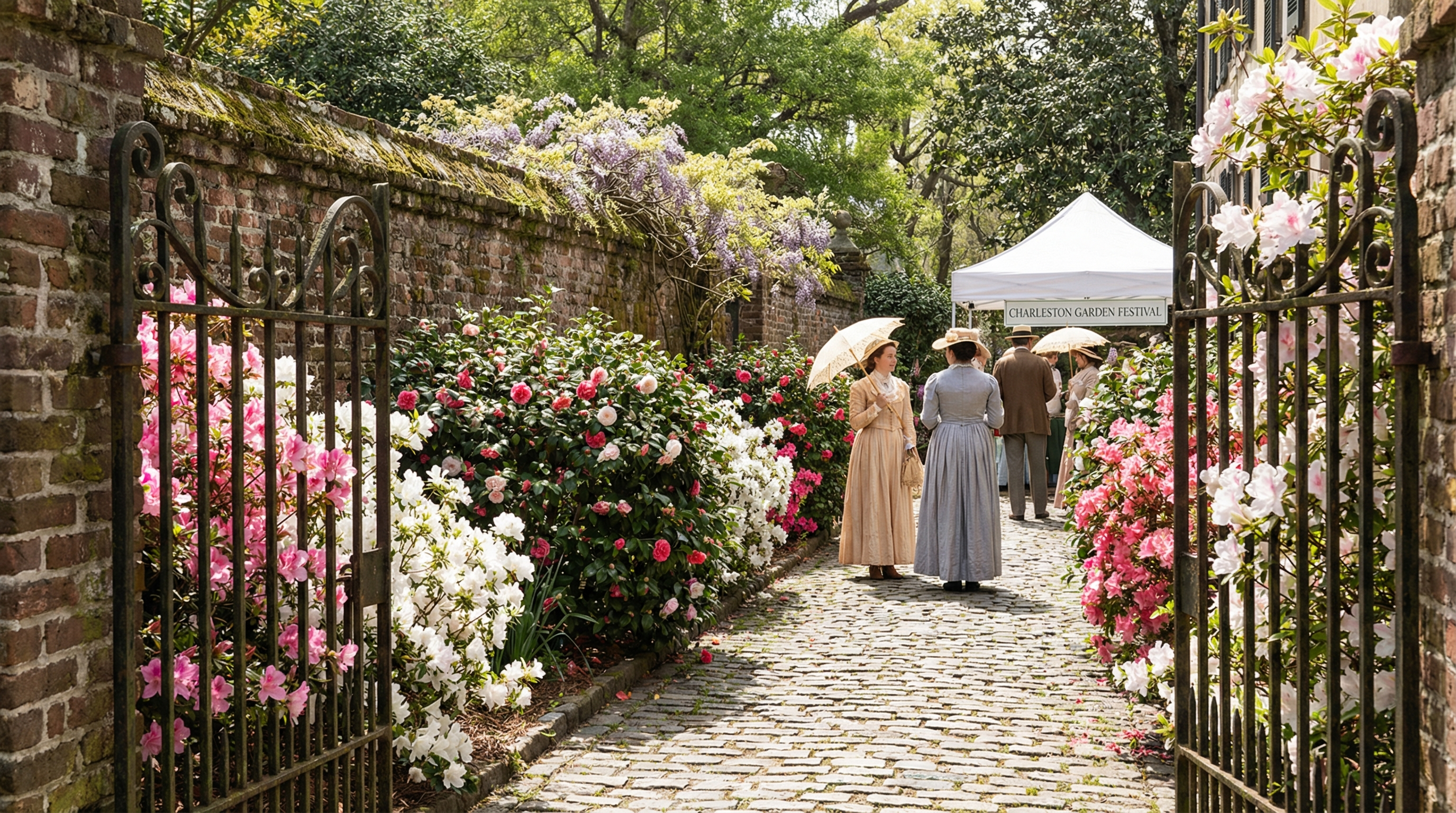
Spoleto Festival USA 2026 runs May 22 through June 7. If you're considering Charleston as a potential home and you have the flexibility, I'd encourage you to plan a visit during the festival -- even if performing arts aren't your primary draw. The energy of the city during Spoleto is different. The restaurants are at their best. The gardens are at peak bloom. The weather is warm but hasn't hit the deep summer humidity. It's Charleston at its most compelling.
If you're already planning to attend and you'd like to look at properties while you're here, that's a conversation worth having early. I can set up a custom tour that's calibrated to your schedule -- a few hours between performances to see neighborhoods that match what you're responding to. It's a much more productive approach than trying to do a separate house-hunting trip later.
Beyond Spoleto: Charleston's Year-Round Cultural Calendar
Spoleto is the headline event, but it's worth noting that Charleston's cultural infrastructure operates year-round. The spring festival season includes the Charleston Wine + Food Festival, the Southeastern Wildlife Exposition, and Piccolo Spoleto (the companion festival running simultaneously with Spoleto). The fall brings Spoleto's chamber music series, gallery walks, and a food-and-wine calendar that rivals cities ten times Charleston's size.
For culture-driven buyers, this year-round programming is what converts a second home into a primary residence. They come for Spoleto, they buy a pied-a-terre, and within two years they've realized they're spending more time in Charleston than at "home." I've seen that pattern repeat dozens of times.
If you're curious about what relocating to Charleston actually costs -- beyond the home price -- my real costs of moving to Charleston guide breaks down taxes, insurance, and the line items that surprise people. And when you're ready to explore neighborhoods, start browsing or reach out directly. I love working with clients who found Charleston through its culture -- they understand what makes this place special, and they tend to choose wisely.